
In Arkansas, joint physical custody is a way for both parents to share real, meaningful time with their child and stay involved in their day-to-day life after a separation.
What Joint Physical Custody Means for Your Family
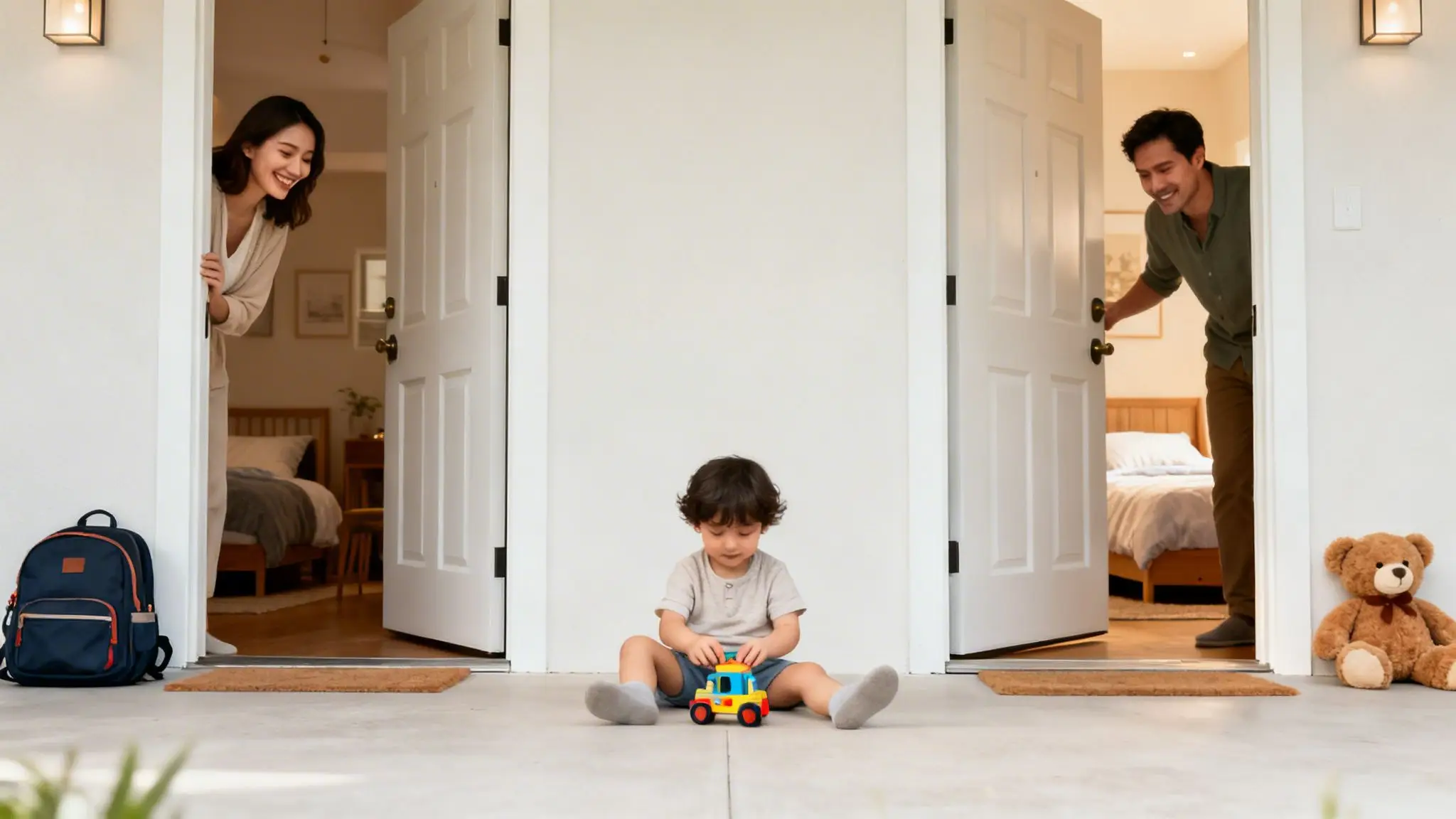
When parents decide to live apart, a big question is, “What will happen with our kids?” The term joint physical custody might sound complicated, but the idea is simple. It means your child will have two loving homes, not just one.
Think of it as both parents sharing the everyday work of raising a child. This includes helping with homework, making dinner, reading bedtime stories, and driving to school. The goal isn’t always a perfect 50/50 time split. Instead, it’s about making sure the child has good, regular time with each parent.
Two Homes, One Team
The purpose of joint physical custody in Arkansas is to keep both parents as a big part of their child’s world. The law recognizes that kids do best when they have two active parents helping them, even if those parents don’t live together anymore.
This is different from the old way, where one parent had the kids most of the time and the other just visited. With joint custody, both parents are like team captains, guiding their child’s life together. This shared duty helps kids feel stable when things are changing. For more details on the state’s rules, you can learn about the child custody laws in Arkansas in our article.
To understand this better, let’s see how it’s different from sole custody.
Joint Custody vs. Sole Custody
This table shows the main differences between joint and sole physical custody for families in Arkansas.
| Feature | Joint Physical Custody | Sole Physical Custody |
|---|---|---|
| Living Situation | The child has two homes and splits time between them. | The child lives mostly with one parent. The other parent has set visiting times. |
| Parent’s Role | Both parents are caregivers and part of the daily routine. | One parent is the main caregiver. The other is the non-custodial parent. |
| Goal | To make sure the child sees both parents often and regularly. | To give the child one main, stable home, with a clear schedule for visits. |
As you can see, joint custody is about sharing parenting duties, while sole custody gives one parent the main responsibility for the child's home.
How Custody Schedules Work in Real Life
When people hear joint physical custody, they often think of a perfect 50/50 time split. But it's not always that simple. In Arkansas, the law cares most about what's best for the child. This means making sure they see both parents often and in a way that feels steady and normal.
It's less about counting the minutes and more about creating a routine that works for your family. The main goal is to make a schedule that feels safe for your child, not just to divide days on a calendar. A joint custody plan might not be an exact 50/50 split, and that is okay. What matters is that it is a good plan that fits everyone's lives, especially the child's.
Finding the Right Routine
There are many kinds of schedules that work for families in Arkansas. There is no one "right" way. The best plan is one that your child can count on. Some common schedules are:
- Week-On / Week-Off: The child spends one full week with Parent A, then the next week with Parent B. This is often good for older kids because they don't have to switch houses as often.
- The 2-2-5-5 Schedule: With this plan, the child is with Parent A for two days, Parent B for two days, then back to Parent A for a long weekend (five days), and then to Parent B for their long weekend. The good thing about this is that the child sees each parent every few days.
A parenting plan is like a rulebook for co-parenting. It is a written guide that you and the other parent make. It explains how you will handle things like holidays, doctor visits, and school. Writing it down helps you avoid arguments later.
Your Co-Parenting Rulebook
This written parenting plan is the key to making joint physical custody work well. Think of it as your guide for raising your child together. When you have a clear, written plan, you don't have to guess what to do when questions come up later.
The best schedule is one made just for your child, thinking about their age, school, and feelings. A judge's main focus is always the best interest of the child. A good parenting plan shows that you have put your child's needs first.
Why More Families Are Choosing Shared Parenting
If you are thinking about joint physical custody, you are not the only one. This way of parenting is becoming more and more popular, not just in Arkansas but all over the world. People now understand that kids do better when both parents are a regular part of their lives.
This isn't just a new idea; it's a worldwide change that sees the value of both parents being involved after they separate. Studies show that when children have good, regular time with both parents, they feel more safe and stable.
A Growing Change Around the World
You can see this change in other countries, too. For example, in Europe, joint physical custody is much more common now. A study from 2021 found that 13.0% of European kids from separated families now live with each parent part-time. That's a big jump from just 5.7% in the early 2000s.
Some countries use it even more. In Sweden, almost half (42.5%) of kids in this situation have an equal joint custody plan. You can explore more data on this growing phenomenon of shared parenting.
This timeline shows a common 2-2-5-5 schedule. It is just one way parents can split time over two weeks.
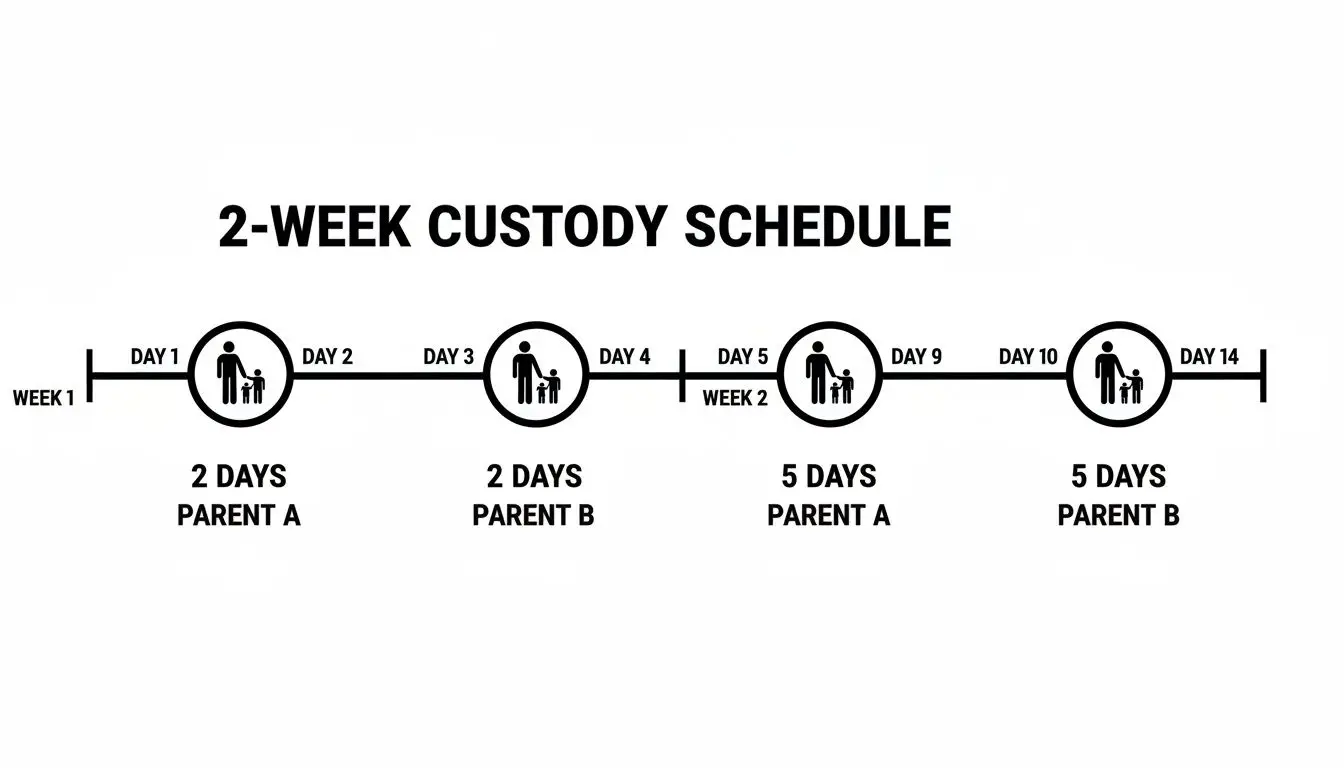
As you can see, a good schedule makes sure a child never goes too long without seeing each parent. This is great for making them feel secure.
Making It Work for Your Family
Knowing that many other families are making shared parenting work can make it feel less scary. This is not a new experiment; it's a proven way to put a child's happiness first.
The main idea is simple: a child's relationship with both parents is important and should be protected. Choosing joint physical custody is a great way to respect that bond and give your child a loving and stable life in two homes.
When you look at the big picture, it's clear that joint physical custody is more than just a legal term. It's a real promise to work together as parents in a way that helps everyone.
The Real Benefits for Children and Parents

When you want to know what is joint physical custody, you are really asking: how will this affect my kids and my own life? For children, it often gives them a strong feeling of safety. It helps them feel like they have two real, loving homes—not one main house and another place they just “visit.”
This feeling of being stable is very important. In any Arkansas custody case, the judge's main rule is always the child’s best interest. A joint plan often meets this rule by showing kids that both of their parents are there for them and are equally important in their lives.
How It Helps Both Parents and Kids
For parents, one of the first benefits is feeling less stressed. Sharing the daily tasks of school runs, making meals, and after-school activities can be a big help. It helps stop parents from getting too tired from doing everything alone. It also gives each parent important time to rest and take care of themselves.
It's not just about schedules. This team approach helps build stronger relationships between each parent and the child. This isn't just a guess; it's happening all over the world. Shared parenting plans have doubled in Europe since the early 2000s, and we see similar changes in the U.S. This shows that more people realize it has good effects on everyone. You can read the full research about these shared parenting findings.
Joint physical custody allows both parents to stay strong, active parents after a separation. This is a powerful source of stability for a child.
This shared involvement is not only important for a child getting used to the changes, but it also helps the parents' own well-being. While the custody schedule gives you a plan, it's just as important to take care of everyone's feelings. It's a good idea to learn about maintaining mental health during major life transitions. In the end, working together helps create a healthier and stronger family for everyone.
Let's Clear Up Some Common Joint Custody Myths

When you're trying to figure out what is joint physical custody, it's easy to hear rumors or wrong information. This can make a hard time feel even more stressful.
Let’s talk about the truth behind some of the biggest myths we hear from parents here in Arkansas.
Myth 1: Joint Custody Means No One Pays Child Support
This is the most common myth we have to correct. The truth is, in Arkansas, a judge almost always orders child support, even when parents have joint custody. The whole point of child support is to make sure your child has everything they need in both homes.
Child support does not go away just because you have joint custody. The math might be different than in a sole custody case. A judge will still look at how much money both parents make and how much time the child spends in each home. Then, they use the state's rules to decide a fair amount.
Myth 2: It Will Be Too Confusing for My Kids
It's normal to worry about this, but kids are often stronger than we think. What really confuses kids is not having a set schedule or when parents don't communicate well.
When kids have a clear and steady routine, they feel safe. Knowing which parent they will be with on which days, and seeing both parents work as a team, gives them a strong sense of security.
A steady routine and parents who work together are what make a child feel safe. The name of the custody plan matters much less than the consistent love and support you both give.
Myth 3: We Have to Split Parenting Time Exactly 50/50
Many people think joint physical custody must be a perfect 50/50 split, but that’s not a strict rule in Arkansas. The law says that the goal is to provide "frequent and continuing contact" with both parents.
This gives you room to be flexible. The schedule can be made to fit what works best for your family. You can think about your child's age, school, work schedules, and even how far apart you and the other parent live. A judge's main goal is to make a plan that is truly in the best interest of the child, not to reach a certain number of days.
Your Questions About Joint Custody Answered
When you start looking into custody, it can feel like there are a lot of details. The idea of joint physical custody can seem hard, but the answers to your questions are often simpler than you think.
Let's go over some of the most common things Arkansas parents ask. For example, many parents worry that they need to be best friends with their ex to make joint custody work. That’s not true. You just have to be able to talk to each other respectfully about what's best for your child.
What Is the Difference Between Physical and Legal Custody?
This is one of the most important things to understand, and it's where many people get confused. The easiest way to think about it is like this:
- Joint Physical Custody is about where the child lives. It sets the daily schedule and which parent's home the child will be in.
- Joint Legal Custody is about the big decisions. It gives both parents the right to have a say in important choices for the child, like their school, major medical care, and religious teaching.
In Arkansas, it is very common for judges to give parents both. This lets parents share time with their child and also work as a team on the big decisions that will shape their child's future.
What Happens If a Parent Needs to Move?
Life can change. A new job or a new relationship might mean one parent needs to move. If a parent with joint physical custody wants to move far away—especially to another state—they can't just pack up and go. They first need to get permission from the other parent or from a judge.
An Arkansas judge will only approve a move if it's really in the child's best interest. A judge will look very carefully at how moving would affect the child's life and their relationship with the parent who is not moving.
Do We Need a Lawyer to Create a Joint Custody Plan?
While you can create a parenting plan on your own, working with a lawyer who knows about family law can give you a big advantage. A good lawyer makes sure your agreement is clear, follows the law, and includes all the small details you might not think of—from holiday schedules to a plan for handling disagreements in the future.
In the end, a lawyer helps you build a strong plan that protects your rights. More importantly, it is built to do what's best for your child for years to come.