Field Sobriety Tests in Arkansas: What They Are and Why They’re Not Foolproof

If you’ve ever been pulled over and asked to follow a pen with your eyes, walk a straight line, or stand on one leg, you’ve encountered field sobriety tests (FSTs). Police in Arkansas use them during DWI stops to help decide whether to make an arrest. They’re often treated as if they’re scientific and certain — but the reality is more complicated. These tests have real, published limits, and sober, innocent people can and do fail them. Here’s a clear look at what the tests are and why they’re not foolproof.

The Three Standardized Tests

Out of many roadside tests officers have used over the years, only three are “standardized” — meaning they were studied and have an official, approved way to be administered and scored. These three are known as the Standardized Field Sobriety Tests (SFSTs), developed through research sponsored by the National Highway Traffic Safety Administration (NHTSA).

Horizontal Gaze Nystagmus (HGN). This is the “follow my pen/finger with your eyes” test. Nystagmus is an involuntary jerking of the eyes as they move to the side. The officer looks for this jerking and at what angle it appears, because alcohol can exaggerate it. It’s the test most people don’t even realize is a test.

Walk-and-Turn (WAT). Here you take a set number of heel-to-toe steps along a line, turn in a prescribed way, and walk back. It’s called a “divided attention” test because it asks you to balance and move while also listening to and remembering instructions — things alcohol can impair.

One-Leg Stand (OLS). You stand on one foot, raise the other a set height off the ground, and count out loud while keeping your balance for a period of time. Like the walk-and-turn, it divides your attention between a physical task and a mental one.

During each test, the officer watches for specific “clues” — defined signs that are supposed to indicate impairment — and counts them up to support an arrest decision.

What the Accuracy Numbers Actually Say

Officers are trained that these tests are accurate, and they’ll often cite percentages in court. It’s worth understanding where those numbers come from — and what they really mean.

From the original NHTSA laboratory research, the individual tests were reported as roughly: HGN about 77% accurate, walk-and-turn about 68%, and one-leg-stand about 65%, at distinguishing whether someone was above or below a set blood alcohol level. From the later, widely-cited 1998 San Diego field study, the numbers were reported higher — an overall battery accuracy around 91%, with HGN about 88%, walk-and-turn about 79%, and one-leg-stand about 83%.

Here’s the crucial point that often gets lost: even taken at face value, these are not measures of whether someone is actually too impaired to drive. They measure how well the tests correlate with being above or below a particular blood alcohol number — an arrest-decision tool, not a driving-ability meter. And the accuracy is well short of perfect. Numbers like 79% or 83% also mean a meaningful share of people are misjudged. In plain terms: by the tests’ own published figures, sober people and people under the limit can still “fail.”

These studies have also been criticized — over how they were conducted, how scoring was adjusted, and high false-positive concerns. The takeaway isn’t that the tests are worthless; it’s that they’re far from the certain science they’re sometimes presented as.

Why a Sober Person Can Fail

This is the heart of “not foolproof.” Many things unrelated to alcohol can cause someone to perform poorly on these tests:

Medical conditions. Inner-ear problems, neurological conditions, eye conditions, back, leg, knee, or hip injuries, and many other issues can affect balance, coordination, or eye movement — and produce the very “clues” the officer is counting.

Age and weight. Balance tests like the one-leg stand are harder for older individuals and people who are overweight, regardless of sobriety. NHTSA itself has acknowledged that certain people have more trouble with these tests for reasons unrelated to alcohol.

Footwear and clothing. Trying to walk heel-to-toe or balance on one leg in heels, boots, sandals, or restrictive clothing is genuinely harder.

Road and weather conditions. An uneven shoulder, a sloped roadside, gravel, rain, cold, or wind can throw off balance for anyone.

Nerves and the situation itself. Being stopped by police is stressful. Flashing lights, passing traffic, and anxiety can cause shaking, hesitation, and mistakes that look like impairment.

How the test was administered. The tests are only meaningful if given exactly the standardized way. If the officer gives confusing instructions, demonstrates incorrectly, or scores improperly, the results can be unreliable — and officer training and consistency vary.

Any one of these can produce “clues” that have nothing to do with alcohol. Stack a few together — an older person, in dress shoes, on a sloped shoulder, at night, nervous — and a perfectly sober driver can look impaired on paper.

How FST Results Can Be Challenged in Court

Because field sobriety tests are far from certain, their results can be questioned in an Arkansas DWI case. Common avenues include:

Improper administration. If the tests weren’t given according to the standardized procedures, their reliability is open to challenge. Deviations from the protocol matter.

Officer training and records. An officer’s training, certification, and how they actually conducted and documented the tests can all be examined.

Alternative explanations. Medical conditions, age, injuries, footwear, and the roadside environment can offer innocent explanations for the “clues” the officer recorded.

The subjective element. Scoring these tests involves an officer’s judgment about what they observed, which isn’t as objective as a number on a machine. That subjectivity can be explored.

This is exactly the kind of analysis a DWI defense attorney is trained to do — looking closely at how the stop and the tests were handled, rather than accepting the results at face value. It’s not about “tricks”; it’s about holding the evidence to the standard it’s supposed to meet.

The Bottom Line

Field sobriety tests are a standard part of DWI stops in Arkansas, and officers rely on them to support arrests. But they are not the certain, scientific proof they’re sometimes made out to be. Their published accuracy is well short of perfect, they measure correlation with a blood alcohol level rather than actual driving ability, and a long list of innocent factors can cause a sober person to fail. If you’re facing a DWI based partly on field sobriety tests, those results are not the final word — and they can be examined and challenged.

If you have questions about a DWI case and the field sobriety tests involved, we’re glad to help you understand your situation. We offer free consultations and serve clients throughout Benton and Washington Counties: Bentonville, Rogers, Fayetteville, Springdale, Bella Vista, and Lowell.

Book a Free Consultation (479) 717-6300

See also: DWI Defense · Criminal Defense

Frequently Asked Questions

What are the three standardized field sobriety tests? They are the Horizontal Gaze Nystagmus (HGN) test, where the officer watches your eyes follow an object; the Walk-and-Turn, where you take heel-to-toe steps along a line and turn; and the One-Leg Stand, where you balance on one foot while counting. These three are the only tests with standardized administration and scoring developed through NHTSA-sponsored research.

How accurate are field sobriety tests? Less certain than they’re often portrayed. Original research reported the individual tests in the range of roughly 65% to 77% accurate, while the later 1998 San Diego study reported higher figures (around 88% for HGN, 79% for walk-and-turn, 83% for one-leg-stand). Even at face value these aren’t perfect, and they measure correlation with a blood alcohol level — not actual driving impairment.

Can a sober person fail a field sobriety test? Yes. Medical conditions, injuries, age, weight, footwear, uneven or wet ground, poor weather, nervousness, and improper test administration can all cause a sober person to show the “clues” officers count as signs of impairment. This is a key reason field sobriety test results are not foolproof and can be challenged.

Can field sobriety test results be challenged in an Arkansas DWI case? Yes. The results can be questioned based on improper administration, the officer’s training and documentation, innocent explanations for the observed clues (like a medical condition or roadside conditions), and the subjective nature of the officer’s scoring. A DWI defense attorney examines how the tests were conducted rather than accepting the results at face value.


About the Author

Joshua Daniels is a co-founder of DeWitt & Daniels Law Firm in Lowell, Arkansas, where he handles criminal defense, DWI, divorce, and family law matters. He serves clients throughout Northwest Arkansas, including Bentonville, Rogers, Fayetteville, Springdale, and Bella Vista.

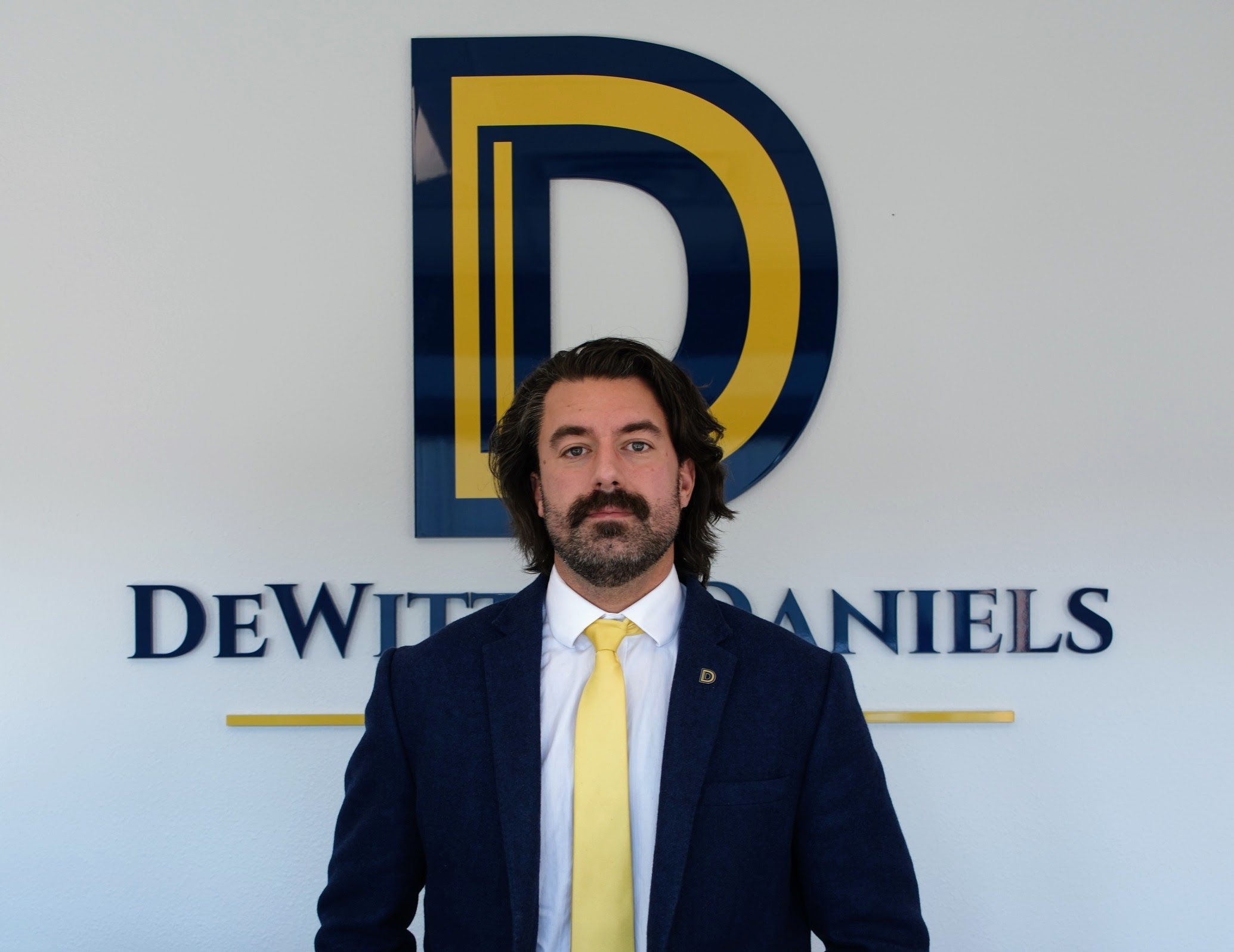
Picture of Gary DeWitt, Attorney-at-Law

Gary DeWitt, Attorney-at-Law

Gary DeWitt is an attorney at DeWitt & Daniels Law Firm in Lowell, Arkansas. He has practiced law in Northwest Arkansas since 2014, helping thousands of families in Bella Vista, Fayetteville, Bentonville, Rogers, and Springdale solve their legal problems. He is a graduate of the University of Arkansas School of Law.